
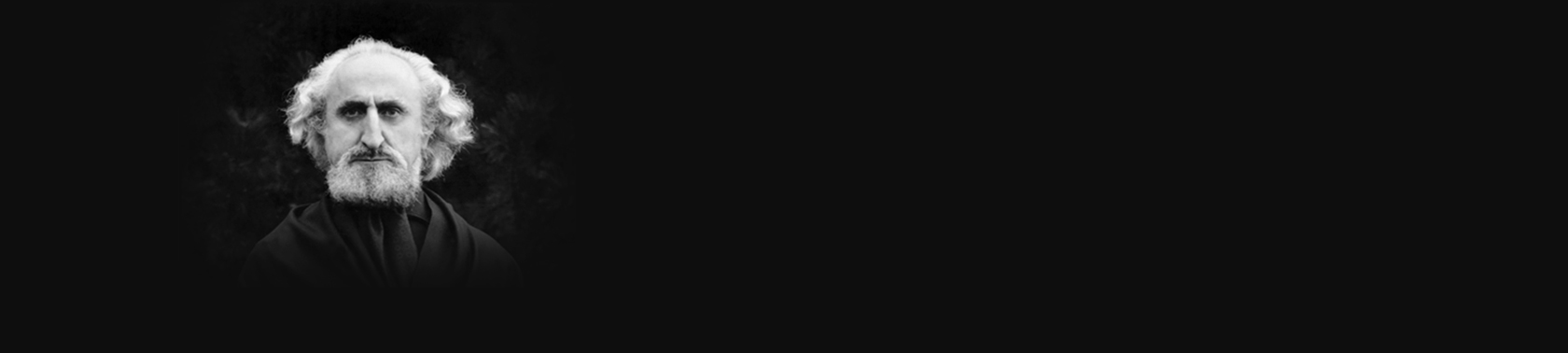
Frithjof Schuon Archive
















Featured Books
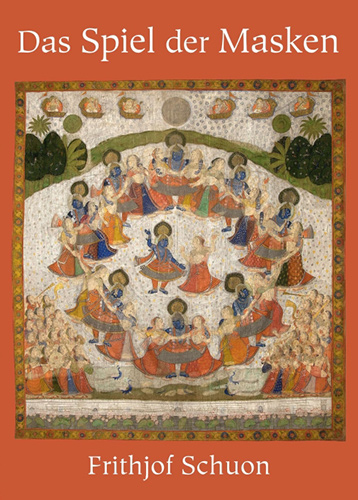
Das Spiel der Masken
The book is intended for people who are searching for a spiritually grounded understanding of the world and their own lives, an understanding that goes beyond the answers that modern sciences or religions understood only exoterically can provide.
Featured Poems
Adastra and Stella Maris: Poems by Frithjof Schuon-Narcissus – Euterpe
Poems of youth: all too often they are
Adastra and Stella Maris: Poems by Frithjof Schuon-Animality
Mankind, they say, with reason is endowed,
Adastra and Stella Maris: Poems by Frithjof Schuon-Culpa
It is certain not every man is bad,
Featured Articles
Frithjof Schuon and Prayer
The importance of prayer was a fundamental theme in the writings of Frithjof Schuon. This article sets out to “draw attention to the subtlety, depth, and comprehensiveness that characterize Schuon’s elucidation of prayer, an elucidation which renders prayer not only an intelligible necessity for man in his quest for God, but also an irresistible summons and an inestimable gift from God to man.” This is accomplished through a general survey of Schuon’s perspective upon prayer and then a look at “the modes and degrees of prayer, beginning with the most ordinary meaning of prayer—personal petition to God—and culminating in the most exalted form of prayer—methodic invocation of the Name of God.”
The Introduction to “Prayer Fashions Man”
Editor James S. Cutsinger provided this probing “Introduction” to a selection of Schuon’s writings on prayer, Prayer Fashions Man. Cutsinger summarizes the various types of prayer covered by Schuon, as well as Schuon’s overall perspective.
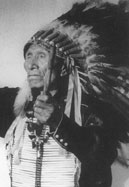
The Introduction by Thomas Yellowtail to “The Feathered Sun” by Frithjof Schuon
Crow Sun Dance Chief and Medicine Man Thomas Yellowtail (1903-1993) wrote this introduction to Frithjof Schuon’s book “The Feathered Sun: Plains Indians in Art and Philosophy” to attest to the authenticity and truthfulness of Schuon’s writings and paintings found in this book. Yellowtail details his long relationship with Schuon and goes on to point out that Schuon captured the spirit of the olden-days Indians in both his paintings and his prose.